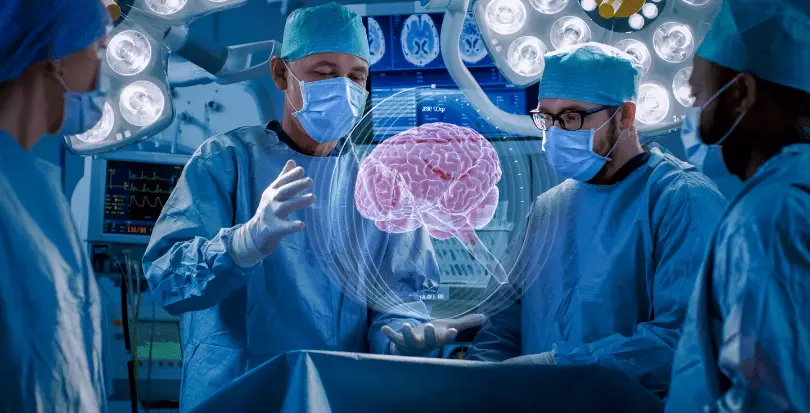
Neurosurgery is much more than just brain surgery. It is the medical speciality involved with the diagnosis and treatment of patients with injury to, or diseases/disorders of the brain, spinal cord, and spinal column, and peripheral nerves within all parts of the body. The profession of neurosurgical care includes both adult and pediatric patients.
Dependent upon the injury or disease, Dr. Atmaranjan, one of the best neurosurgeon in Bhubaneswar, will suggest surgical and/or non-surgical care. He provides the operative and non-operative management which includes prevention, diagnosis, evaluation, treatment, critical care, and rehabilitation of neurological disorders.
Contact Us
ðŸ§
FAQ Related To Neurosurgery
ðŸ§
Get answers to common questions about neurosurgery, neurological disorders, brain and spine conditions, treatment options, recovery, and patient care. Dr. Atmaranjan Dash helps patients understand every step of their neurosurgical journey with confidence and clarity.
What conditions are treated by a neurosurgeon?
A neurosurgeon treats disorders related to the brain, spine, nerves, and blood vessels. Common conditions include brain tumors, head injuries, slipped discs, spinal stenosis, stroke, aneurysms, epilepsy, and nerve compression disorders.
When should I consult a neurosurgeon?
You should consult a neurosurgeon if you experience persistent headaches, seizures, weakness, numbness, chronic back or neck pain, balance problems, memory issues, or symptoms after a head injury. Early diagnosis often leads to better outcomes.
Is neurosurgery always the first treatment option?
No. Many neurological conditions can initially be managed with medications, physiotherapy, lifestyle changes, or minimally invasive procedures. Surgery is recommended only when conservative treatments are ineffective or when urgent intervention is necessary.
Are modern neurosurgical procedures safe?
Yes. Modern neurosurgery uses advanced imaging, microsurgical techniques, endoscopic procedures, and minimally invasive technology to improve precision, reduce risks, and support faster recovery for patients.
How long does recovery take after neurosurgery?
Recovery depends on the type of condition, surgical procedure, and overall health of the patient. Some patients recover within a few weeks, while others may require longer rehabilitation and follow-up care.
Will I need follow-up care after neurosurgery?
Yes. Regular follow-up visits help monitor healing, evaluate recovery progress, manage medications, review scans if needed, and ensure the best long-term neurological outcome.