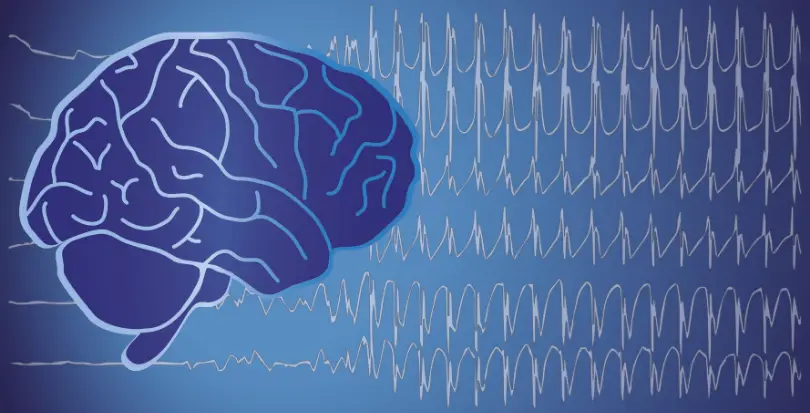
Epilepsy is a neurological disease diagnosed in patients with a record of frequent seizures. In epilepsy, the normal pattern of neuronal activity becomes deranged, causing strange emotions and behavior or sometimes seizures, muscle spasms, and loss of consciousness. Epilepsies have many potential causes and there are several types of seizures.
Dr. Atmaranjan will typically diagnose epilepsy in patients after a complete medical diagnosis, lab testing, and neurological imaging scans. EEG scans, MRI scans, and CT scans are just some of the imaging scans that are helpful for making an accurate diagnosis will suggest treatment accordingly.
Contact Us
FAQ Related To Epilepsy
Get answers to common questions about epilepsy, seizures, diagnosis, medications, lifestyle precautions, and treatment options. Dr. Atmaranjan Dash provides expert guidance to help patients and families manage epilepsy safely and confidently.
What is epilepsy?
Epilepsy is a neurological disorder that causes recurrent seizures due to abnormal electrical activity in the brain. Seizures can vary from brief staring episodes to uncontrolled movements and loss of consciousness.
What are the common symptoms of epilepsy?
Symptoms may include seizures, sudden jerking movements, temporary confusion, staring spells, loss of awareness, unusual sensations, or brief periods of unconsciousness. Symptoms can vary depending on the type of seizure.
How is epilepsy diagnosed?
Diagnosis usually involves a detailed medical history, neurological examination, EEG testing, MRI scans, CT scans, and other investigations to identify the cause and type of seizures accurately.
Can epilepsy be controlled with medication?
Yes. Anti-epileptic medications help reduce seizure frequency and severity. Many patients achieve excellent seizure control when medicines are taken regularly under the supervision of a neurologist or neurosurgeon.
When is epilepsy surgery recommended?
Surgery may be considered when seizures cannot be controlled with medications or when a specific area of the brain is identified as the source of seizures. The suitability of surgery depends on detailed evaluation and imaging studies.
What precautions should epilepsy patients follow?
Patients should take medications regularly, maintain proper sleep, avoid known seizure triggers, attend follow-up appointments, and follow safety measures during daily activities to reduce seizure-related risks.
CONTACT US
Fill out the form below, and we will be in touch shortly.